
Neem Definition
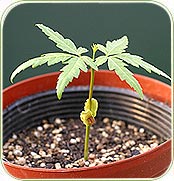
What is Neem?
Neem, also called Azadirachta indica is an aboriginal tree found in tropical and semi-tropical countries like Burma and India; Neem has been declared non-toxic to humans and each part of the tree is used as an active ingredient in different industries. Neem tree has been given its due recognition, with a number of researches being conducted on an international level to understand the benefits and potential of neem. Today neem is used on a commercial basis and finds immense use in a number of products in industries ranging from cosmetics to agriculture, from pharmaceuticals to Ayurveda.
About Neem - Neem Definition & Brief Introduction
Family: MahoganyBotanical Name: Azadirachta indica
Varied Names: Neem (Hindi, Urdu and Bengali), Nimm (Punjabi), Arya Veppu (Malayalam), Azad Dirakht (Persian), DogonYaro (in some Nigerian languages), Nimba (Sanskrit and Marathi), Margosa, Neeb (Arabic), Nimtree, Vepu, Vempu, Vepa (Telugu), Bevu (Kannada), Kohomba (Sinhala), Tamar (Burmese), Vembu (Tamil), Paraiso (Spanish), and Indian Lilac (English)
Neem Products: Neem Seed Cake, Neem Oil, Powder, Soap, Hair & Skin Products, Medicines, Oral Hygiene Products, Neem Repellent, Neem Coir, Neem Gel, Neem Tea, Neem Spray, Candles, Incense Sticks, Neem Fertilizer, Insecticide and many more...
Neem History
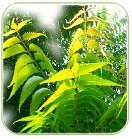
Neem tree is native to India and Mynammar. Neem history dates back to Harappa Mohenjo-Daro civilizations in India where the medicinal properties and its use in household things began.India was number one in importing the medicine. When Julius Caesar established the Roman Empire, a public complaint was issued by Pliny the Elder against the volume of export and drainage of Roman gold to India owing to this. So when the early explorers came to India for trade, they complied all the Indian medicines and brought back to their countries. This included neem in abundant.
Hen with the advent of British empire in India all the local things were being discouraged and were named as backward. So with this practices like use of neem as insecticide, use of neem leaves to protect crops etc were discouraged. More modern chemicals replaced the old traditions of India including the medicinal plants and other products.
But the in 1920s commercial use of Neem oil and neem cake was done by the Indian Institute of Science in Bangalore. For an experiment neem cakes were used in sugarcane fields and it really worked as it had kept the termites at bay.
Parts of Neem used
Form of Neem Used in Industries
- Raw Neem - has been used by households and industries for a number of uses.
- Neem Extract - Part of neem tree like leaf, seed or bark is either soaked in water or organic solvents and alcohol to get the concentrated compounds.
- Neem Finished Products - Neem is used in a number of products the world over in the form of pesticides, insecticides, manure, cosmetics, hair lotions and oils, toothpastes and tooth powders, incense sticks and mostly, it is widely used to manufacture a number of traditional and modern medicines. Ayurveda and Unani system of medicines makes use of neem for a quite a few of medicinal preparations.
Medicinal Properties of Neem Tree
Neem is used to manufacture a number of natural medicines, which do not have any side effects unlike modern medicinal systems like allopathy.- Antiseptic
- Anti Pyretic
- Anti Inflammatory
- Anti Bacterial
- Anti Viral
- Anti Fungal
- Anti Parasitic
Trend in Cosmetic Industry
Last few decades have witnessed a great demand for herbal cosmetic products, away from synthetics, this so, because these herbal and natural cosmetics...Know More
Trend in Pharmaceutical Industry
The traditional and the modern medical systems have always co-existed in a large number of countries aroundthe world. While India has the existence of Ayurvedic...Know More
Trend in Health Care Industry
With the rise in healthcare costs, after effects of pharmaceuticals and synthetic products, natural and herbal products are in great demand all over...Know More
Trend in Traditional Medicine Industry
Neem has essentially been used for centuries now, in different traditional medicine systems like Ayurveda and Unani system. It is used to manufacture...Know More