
Neem Fruit
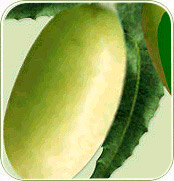
Neem fruit is green in colour initially and gradually turns to yellow when fully ripened. A matured fruit is very fleshy and filled with sweetish fluid. Fruit contains 40-55% water content. Collection of fruits requires organized and planned plantation and collection efforts.
Types of Neem FruitFor collection and storage purpose, neem fruits can be divided into four categories:
- Dry (upto10 % moisture)
- Semi-Dry (11-20% moisture)
- Fresh (about 50% moisture)
- Wet and damaged
- Raw fruit
- Fruit extract
- Powdered fruit
- Neem fruit juice
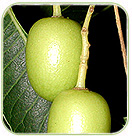 Neem Fruit Processing
- Cleaning
- Depulping
- Dehulling or Decortication
- Grinding
- Solvent Extraction or aqueous extraction
Pharmaceutical Industry: Neem fruit, pulp and extracts are used to manufacture medicines and drugs curing diseases like diabetes, leprosy, skin disorders, constipation etc.
Cosmetic Industry: Powdered form or extracts of fruits are used to manufacture herbal shampoos, soaps, creams and ointments.
Agriculture Industry: Compounds present in neem fruits possess pest and insect repellent properties, therefore it is used on a large scale to manufacture bio and natural insecticides and pesticides.
Veterinary Use: seeds are said to be used for wildlife food. It is relatively non toxic to animals.
About Neem
- Raw Neem
- Neem Leaves
- Neem Seeds
- Neem Bark
- Neem Fruit
- Neem Flower
- Neem Twig
- Neem Gum
- Neem Root
- Neem Kernel
- Neem and Ayurveda Applications
- Neem Knowledge Centre
- Medicinal Properties of Neem Tree
- Neem Side Effects
- Biological Control
- Crop / Pest Management
- Neem a Universal Remedy
- Neem Extract Products
- Agriculture Uses of Neem
Trend in Cosmetic Industry
Last few decades have witnessed a great demand for herbal cosmetic products, away from synthetics, this so, because these herbal and natural cosmetics...Know More
Trend in Pharmaceutical Industry
The traditional and the modern medical systems have always co-existed in a large number of countries aroundthe world. While India has the existence of Ayurvedic...Know More
Trend in Health Care Industry
With the rise in healthcare costs, after effects of pharmaceuticals and synthetic products, natural and herbal products are in great demand all over...Know More
Trend in Traditional Medicine Industry
Neem has essentially been used for centuries now, in different traditional medicine systems like Ayurveda and Unani system. It is used to manufacture...Know More